The holiday shopping season is one of the most important periods of the year for eCommerce brands.
Black Friday and Cyber Monday can bring in a lot of money for businesses. Companies that plan well can boost sales and connect better with customers.
In this article, we’ll break down how to prepare your online store, market your offers, avoid common pitfalls, and measure success for future growth.
Why Black Friday and Cyber Monday Matter for eCommerce
Black Friday and Cyber Monday have evolved beyond just a weekend of discounts: they are major online commerce events that set the tone for the holiday season.
In recent years, trends show continued growth in online sales, with consumers seeking fast, seamless shopping experiences, attractive deals, and personalized interactions.
For eCommerce brands, these occasions provide an opportunity to acquire new customers, increase order value, and gather valuable insights for future campaigns.
By analyzing past campaign data and integrating insights into ongoing SEO and marketing strategies, you can create campaigns that not only drive short-term revenue but also enhance long-term brand loyalty.
Brands that start planning early can optimize their product offerings, promotions, and logistics, ensuring they meet demand without compromising the customer experience.
How to Prepare Your eCommerce for Black Friday
Preparation is crucial for converting peak-season traffic into sales.
Start by clearly defining your objectives: are you aiming to increase total revenue, acquire lots of new customers against a specific cost, drive more traffic, or boost conversions on specific product lines?
Inventory management is another critical factor. Conduct a thorough audit to ensure high-demand products are sufficiently stocked. Collaborate closely with suppliers and logistics partners to anticipate and mitigate potential delays.
Seasonal products or limited editions require special attention, as scarcity can drive urgency but can also risk customer frustration if items sell out too quickly.
Technical readiness is equally important. Ensure your website is mobile-friendly, fast-loading, and optimized for smooth navigation. A frictionless checkout experience can be the difference between a completed sale and an abandoned cart.
This is also the perfect time to implement structured data, schema markup, and other SEO enhancements that can help your pages appear in rich results, driving additional visibility during high-traffic periods. Here you will find our guide to e-commerce SEO, which helps you discover how to get found and grow organically.
Black Friday & Cyber Monday Marketing Tips
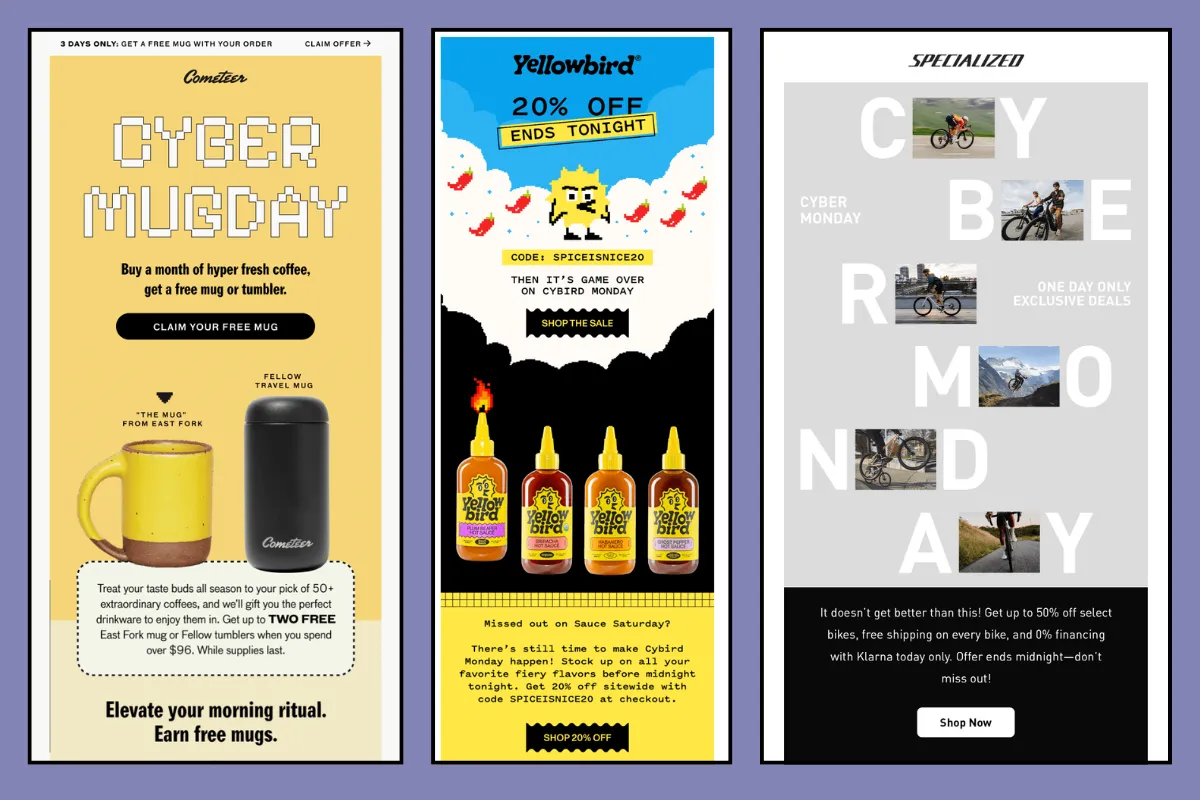
Black Friday and Cyber Monday are not just about offering discounts. They’re about orchestrating a perfectly timed campaign that builds excitement, captures attention, and drives action across multiple channels.
To cut through the noise and convert high-intent shoppers, eCommerce brands need a well-coordinated strategy that blends anticipation, personalization, and performance. From email sequences and on-site promotions to advanced PPC tactics and bundle offers, every touchpoint should guide users seamlessly toward purchase.
Below are some of the most effective strategies to help your eCommerce business stand outand maximize conversions during the busiest shopping weekend of the year.
1. Build Anticipation with Email Marketing
Start ramping up your email marketing efforts as early as October. Black Friday success often depends on how well you’ve warmed up your audience beforehand. Segment your lists based on purchase history, browsing behavior, or engagement levels, and tailor your messages accordingly.
Send early-bird deals and exclusive previews to your most engaged subscribers, creating a sense of exclusivity. Automated flows – such as abandoned cart reminders or “your wishlist is on sale” notifications – can help you recover lost sales and drive impulse purchases when the sale goes live.
2. Drive More Traffic to Your Offers
Visibility is everything during peak shopping days. Ensure your promotions are easily accessible across your website by highlighting key deals in the main navigation, utilizing homepage banners or floating bars, and simplifying the purchase path as much as possible.
Small CRO optimizations – like sticky headers with “Shop the Black Friday Sale” CTAs, or spotlighting “Top Deals” on the homepage – can significantly increase click-through rates and average session value. Every second saved in the user journey translates into higher conversions when traffic spikes.
3. Maximize Paid Advertising Impact
Black Friday and Cyber Monday require a highly structured advertising plan that strikes a balance between preparation, precision, and agility. Paid campaigns often drive the majority of conversions during this period, so having a well-documented workflow and starting early is key. Here’s our top experts’ tips:
Get Everything Ready in Advance
The earlier you collect details, the smoother the execution will be. Make sure you have:
Creatives and ad copy ideas ready for all formats (search, shopping, social).
Start and end dates clearly defined.
Promo codes and exclusions confirmed.
Dedicated landing pages live and tracked.
These basics will help you set automated campaign schedules and minimize manual intervention once the sale starts.
Learn from Last Year’s Data
Before launching, review last year’s performance. Check metrics such as cost, conversions, ROAS/Profit, Cost per new customer acquisition, revenue, and clicks, and set clear targets to beat them.
Also, analyze what campaigns worked best – for example:
Competitor search campaigns
Discovery or Display remarketing
Sale-only campaigns that performed well
If they worked before, refine and replicate them. Consistency pays off when paired with fresh creatives and smarter bidding strategies.
Plan Budgets and Seasonality Adjustments
Avoid cutting budgets compared to the previous year unless the client explicitly requests it. Instead, increase spending during peak days – especially on Black Friday, Cyber Monday, and the first day of early access.
Use seasonality bid adjustments in Google Ads to boost bids when conversion rates spike and lower them during softer days between sales. This ensures visibility when it matters most, without overspending during quieter windows.
Perfect the Ad Copy and Assets
Strong copy is non-negotiable. Use last year’s winning ad copy as inspiration, but sharpen it with urgency-driven language and updated offers. Make sure to:
Use promotion assets (e.g., “Black Friday / Cyber Monday” headers).
Add sitelink extensions to key categories or offers.
Pause evergreen promos (like “10% off first order”) to avoid message clutter.
Set up Merchant Promotions if using Google Shopping – mapping Product IDs for discounted items or gifts with purchase.
Optimize Targeting and Audiences
Add in-market audiences such as “Black Friday Shoppers” or “Cyber Monday Buyers” in observation mode across all campaigns.
Update your Performance Max search themes with variations like “product + sale / black friday / discount” to ensure coverage for high-intent queries.
For remarketing, allocate part of your budget to Display or Discovery campaigns targeting:
Cart abandoners
Product viewers
Past purchasers (7–90 days lookback windows)
These may not deliver high ROAS directly but help reinforce your sales messaging and increase total revenue lift.
Monitor and Automate Everything
Schedule campaigns, assets, and rules in advance – including automated starts and stops for sale ads, promo extensions, and evergreen campaigns. This ensures no overlap or downtime. You don’t want Black Friday offers running on Cyber Monday; your copy should always match the day’s promotion.
Double-check ad approvals to avoid disapprovals right before launch and test your ads live before the event. Search for your brand and sale-related terms to confirm everything displays correctly.
Don’t Forget the Key Days
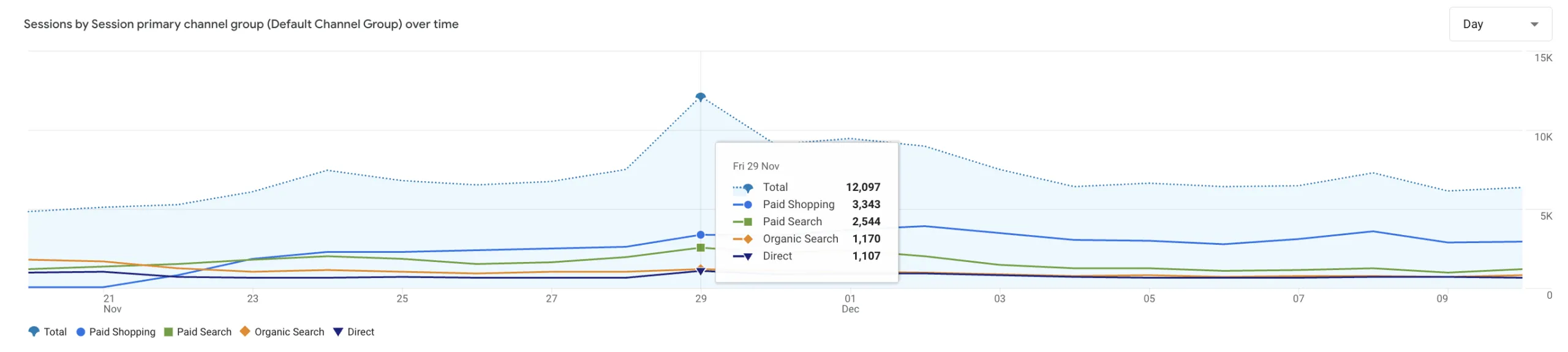
Performance peaks on Black Friday, Cyber Monday, and the first day of early access – plan your spend and attention accordingly. Keep coverage high on sale-related keywords such as:
“brand + sale”
“brand + black friday”
“product + cyber monday”
These terms drive strong purchase intent and should be prioritized across Search, Shopping, and Performance Max campaigns.
This approach helped one of our eCommerce clients achieve record-breaking revenue and ROAS during Black Friday, thanks to a well-timed campaign setup and a data-driven strategy. Read the case study here.
4. Increase AOV with Smart Bundling
Bundles are a great way to increase average order value (AOV) during Black Friday. Instead of offering steep discounts on single items, create curated product combinations that deliver more perceived value to the customer while protecting your margins.
For example, pair bestsellers with slower-moving SKUs or offer “Buy 2, Get 1 Free” deals that encourage multi-item purchases. Make bundles visually appealing in your product grid and highlight how much customers save compared to individual purchases.
5. Create Urgency and Momentum
Scarcity sells, especially during high-competition events like Black Friday. Use countdown timers, “Only X left in stock” badges, or time-limited promo codes to nudge hesitant buyers toward conversion.
Make sure your messaging is consistent across channels: email, ads, and on-site banners should all communicate a clear sense of urgency.
Combining this psychological trigger with optimized PPC, CRO tweaks, and email automation creates a cohesive, conversion-driven strategy that maximizes results during the busiest shopping days of the year.
Creative Campaign Ideas for Black Friday eCommerce
Standing out during Black Friday and Cyber Monday requires creativity and differentiation.
Bundle deals or exclusive limited-edition products can drive larger purchases while rewarding loyal customers.
Early-bird offers create incentives for shoppers to act quickly, spreading out traffic and revenue across the peak period.
Gamified experiences, social contests, and interactive campaigns encourage engagement and can help your brand reach new audiences organically.
Loyalty rewards and strategic upsells maximize lifetime customer value by turning transactional interactions into ongoing relationships.
Also, Cyber Monday provides a chance to extend your campaigns, re-engaging customers with follow-up promotions or digital-exclusive offers.
Common Mistakes to Avoid During Black Friday
Black Friday and Cyber Monday are high-pressure periods where even small mistakes can significantly impact revenue.
One of the most frequent errors is failing to test your website under peak traffic conditions. Slow-loading pages, checkout errors, or server crashes can lead to lost sales in minutes. Conduct stress tests well in advance to ensure your infrastructure can handle surges in traffic.
Another common pitfall is ignoring the mobile experience. Many users browse and purchase on mobile devices, and a clunky mobile UX can reduce conversion rates dramatically.
Confusing or poorly communicated offers can also erode trust. Ensure discounts, bundle deals, and promotional conditions are clear and transparent. Ambiguous messaging frustrates customers and increases cart abandonment.
Finally, not planning for upsells, cross-sells, and post-event retention can leave revenue on the table. High-value customers gained during these events present an opportunity for ongoing engagement – consider loyalty rewards, email follow-ups, and tailored recommendations to turn one-time buyers into repeat customers.
Measuring Success After Black Friday & Cyber Monday Sales
After the peak sales days, thorough analysis is crucial to turn data into actionable insights. Focus on key metrics such as total revenue, conversion rate, average order value, and ROAS. Compare these metrics against your pre-event forecasts to identify which campaigns and channels delivered the best results.
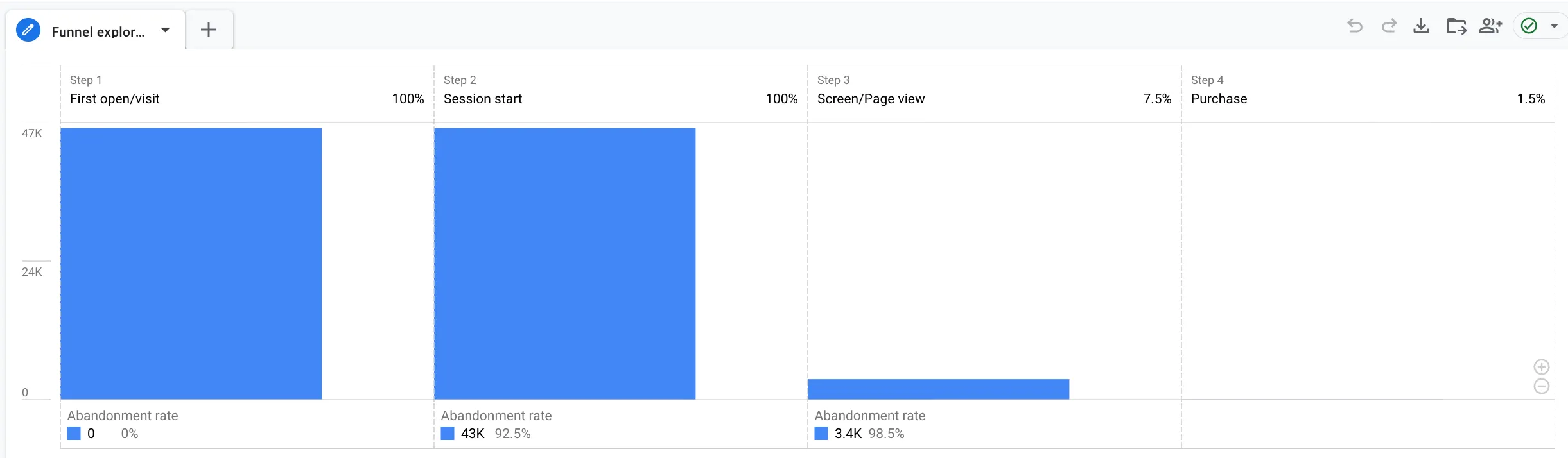
Next, examine customer behavior and engagement metrics. Analyze cart abandonment, page views per session, and repeat visits to understand how users interacted with your website. This helps pinpoint friction points in the funnel and areas for improvement in the next campaign.
It’s also important to evaluate campaign-level performance, including email sequences, paid ads, and social campaigns. Determine which creatives, messaging, and targeting strategies resonated most with your audience, and identify underperforming tactics to refine in future promotions.
Finally, integrate these insights into your planning for the next year. Map successful campaigns, technical improvements, and content adjustments to create a living playbook. This continuous learning loop ensures that each Black Friday and Cyber Monday event performs better than the last.
Black Friday & Cyber Monday eCommerce Checklist
Preparing your eCommerce store for Black Friday and Cyber Monday requires careful planning across multiple areas. A detailed checklist can help ensure nothing is overlooked:
Technical Readiness
Server Load & Performance: Test your website’s speed and server capacity to handle traffic spikes.
Mobile Responsiveness: Ensure all pages, especially product and checkout pages, function smoothly on mobile devices.
Checkout Optimization: Streamline the checkout process to reduce cart abandonment and increase conversions.
Tracking & Analytics: Set up proper tracking for conversions, revenue, and key metrics so you can monitor performance in real time.
Inventory & Logistics
Stock Levels: Verify inventory for all high-demand items and plan for potential restocks.
Alternative Options: Prepare recommendations or substitute products in case popular items sell out.
Shipping & Fulfillment: Confirm shipping timelines, delivery options, and return policies to prevent delays or customer dissatisfaction.
Marketing & Communication
Email Campaigns: Schedule automated emails for early-bird offers, VIP customers, and abandoned carts.
Paid Ads & Remarketing: Plan Meta Ads, Google Shopping campaigns, and remarketing to capture both new and returning customers. (For more on campaign optimization, see our Performance Max for eCommerce post.) Social Campaigns: Coordinate influencer collaborations, organic social posts, and paid promotions to increase awareness and engagement. Landing Pages: Create dedicated landing pages for promotions and featured products to guide users efficiently toward purchase.
Internal Linking & UX
Ensure your homepage, category pages, and product pages are interlinked strategically to highlight high-margin deals and drive conversions.
Use banners or in-page CTAs to lead customers to promotions, bundles, or limited-time offers.
KPI Monitoring & Post-Campaign Actions
Track revenue, conversion rates, average order value, and ROAS throughout the event.
Collect customer feedback and reviews to improve future campaigns.
Plan post-event follow-ups with upsells, loyalty rewards, and retention campaigns to maximize long-term value.
Final Thoughts
So, how will your Black Friday and Cyber Monday strategy really pay off? The answer is nuanced. Some eCommerce stores will see record-breaking sales and conversions, while others may struggle to hit their targets despite heavy traffic. What’s clear is that careful preparation, data-driven decision-making, and proactive optimization are what separate success from missed opportunities.
Businesses that plan ahead – testing website performance, refining UX, optimizing campaigns, and monitoring results in real time – will be best positioned to maximize revenue during these peak shopping events.
Black Friday and Cyber Monday may feel chaotic, but with the right strategy, they become an opportunity not just for immediate sales, but for long-term customer acquisition and retention.
Need help building a bulletproof Black Friday & Cyber Monday plan for your eCommerce store?
At Midsummer Agency, we specialize in crafting strategies that drive traffic, conversions, and lasting growth during the most competitive days of the year.
Let’s talk about how to make this holiday season your most profitable yet. Drop us a message!