+77%
Leads Increased for B2B Lead Gen Business – Multi-Channel PPC Strategy Case Study
How we improved PPC lead quality by 77% and cut CPA by over 50% for a global touchscreen technology provider.
Read the storyRosehill Wine Cellars sells everything a wine lover needs to store and serve a bottle properly, from a corkscrew to a cooling system for a whole cellar, across Canada and the United States. Midsummer Agency ran Pay Per Click and Paid Social from the first day, and moved the spend toward the products that make the business shine.
PPCPaid SocialFeed Management
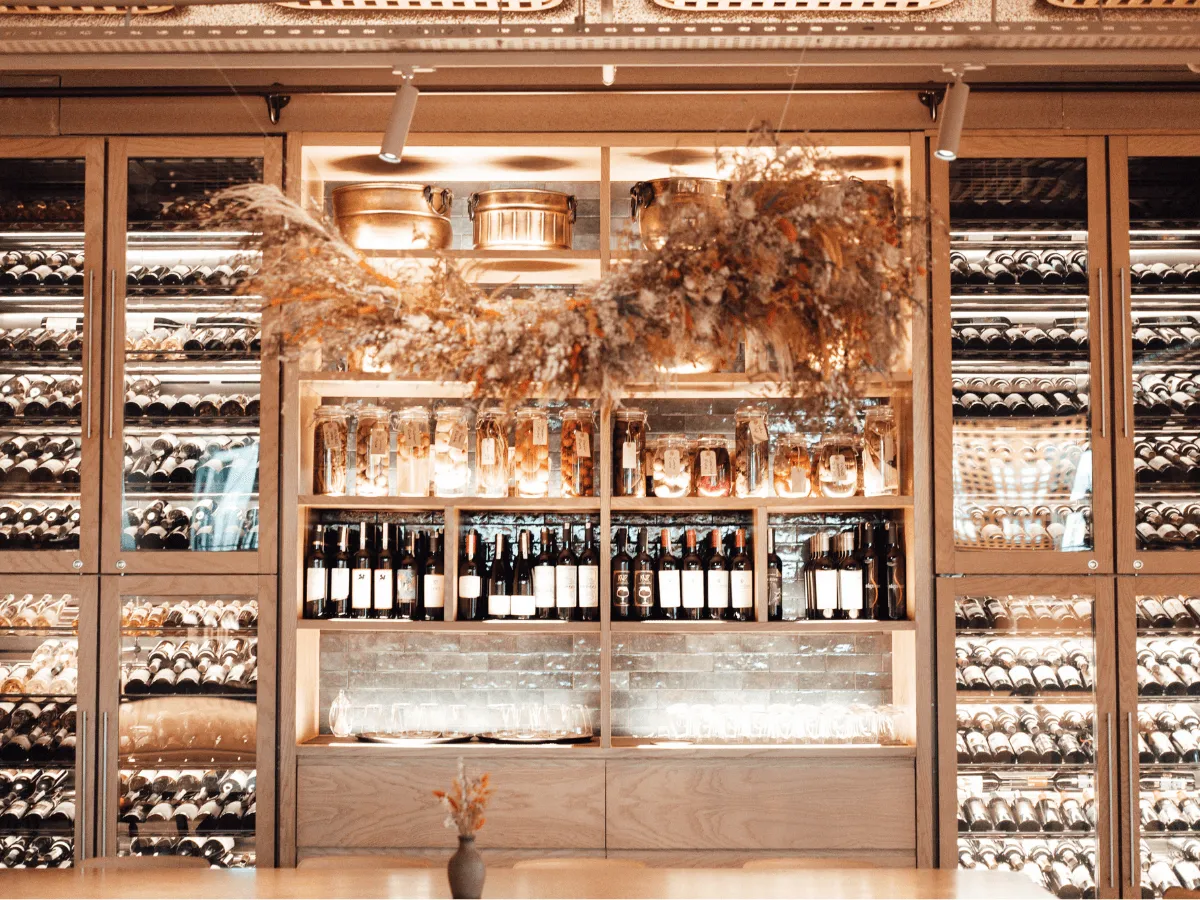
Rosehill Wine Cellars is a Canadian specialist in wine storage, with the largest in-stock selection in the country and a Shopify store carrying more than 4,000 products. The range runs from glassware and decanters to wine fridges, racking and cooling systems that cost more than a car, and Rosehill Wine Cellars will also design and build a custom cellar in someone’s home.
The same catalog serves 2 very different buyers.
Add 2 countries with very different costs and 2 languages in Canada, and the account brings together almost every challenge in ecommerce advertising.
Rosehill Wine Cellars came to us with Google Ads and Meta Ads both in the brief from the start.

Rosehill Wine Cellars wanted to grow, and above all to grow in the United States. Canada was already strong. The US was the bigger prize and still largely unexplored, and the business wanted more of its revenue coming from cooling units, wine racks and custom cellars, the products that matter most to it.
Traffic was healthy and the ad budget was substantial, and the next step was turning both into growth. More than 20% of the budget went to accessories and glassware, lower-priced items that sell easily, which left plenty of room to give the high-ticket range more of the spotlight.
There were a few areas to work on.
Underneath it all, the product catalog shared with Google was handling 2 currencies through a tool that found it hard going, and a long list of products weren’t showing in ads because their product codes didn’t match.
We ran Google Ads and Meta Ads together from the first day, with feed management under both. The question behind every decision was the same: where does an order actually leave Rosehill Wine Cellars better off, once the product, the shipping and the customer behind it are counted?
ServicesGoogle Ads · Feed Management
We took the account off Performance Max alone and rebuilt it across Search, Shopping and Performance Max, each with a clear job. Brand search got its own campaigns, so Performance Max stopped claiming sales that would have happened anyway.
The premium categories, cooling units, wine racks and custom storage, each got a dedicated Performance Max campaign with a ROAS target set for that category’s price and how sensitive its buyers are to it. Rosehill Wine Cellars’ own white-label brands got priority inside them. Accessories under $50 moved off Performance Max onto Standard Shopping on a tighter budget, where they could keep selling without eating the account.
The words people search with split the account too. Someone typing “wine cooler” and someone typing “wine fridge” can want very similar boxes and be completely different buyers, so we ran keyword research for each segment and gave B2B and B2C their own search strategy.
A wine cooling unit is heavy, and the cost of shipping one varies enormously across the US. We asked Rosehill Wine Cellars which states were cheapest to serve, and the answer reshaped the US targeting. California earned a place on demand alone. Beyond it, we concentrated on the East Coast, Florida and New York in particular, where shipping costs let an order pay for itself, and stopped chasing states where one order a month would arrive with a delivery bill it could never cover.
We migrated the feed from Simprosys to DataFeedWatch, which handled both currencies cleanly and let us rewrite product titles, filter SKUs and map attributes properly. Then we went after the products Google was holding back.
We installed a set of scripts to watch Performance Max closely, before Google offered a native channel report.
Alongside them ran our usual budget tracker. When a slow week made everyone want to change something, the scripts gave us the evidence to hold steady long enough for the bidding to settle.
ServicesMeta Ads · Lead Generation · Feed Management
Part of the Meta budget sat in video views campaigns that weren’t driving sales, with no new video planned to refresh them. We pulled the budget back before frequency climbed any higher, and put it where it could work.
The prospecting campaigns had room to consolidate too. Some ad sets overlapped, website visitors from Shopify sat in 2 near-identical ad sets, so we merged them and gave the algorithm one larger pool of data in place of several thin ones.
Rosehill Wine Cellars ran promotions constantly, and not every one belonged on Meta. We pushed only the ones that moved real volume. Some entry-level products, the typical first purchase for a new customer, sold in bursts whenever they went on promotion, so those were the moments we put Meta behind them. We picked only the few offers that were profitable and worth the effort, so the in-house creative team could focus on those instead of making new ads for every promotion.
For custom cellar builds we ran lead generation on Meta’s native Instant Forms, with separate messaging for homeowners and for restaurants, hotels and other commercial buyers.
When Rosehill Wine Cellars translated its site into French, we built campaigns for Quebec on both Google and Meta, with a French product feed for each. Quebec’s cellar leads came in high in number, and we wanted more of them ready to build, so we reworked the Instant Forms with extra qualifying questions, steering the volume toward people actually planning a build.
Moving the budget toward premium categories showed up within a quarter. Against the previous quarter, overall revenue rose 8%, and the categories we prioritized grew faster than the account around them.
Year on year the gap widened. White-label revenue rose 130% on 133% more orders, high-ticket revenue rose 46% on 37% more orders, and the store as a whole grew 24%. Accessories kept selling on a fraction of the budget they used to take.
They didn’t just manage ads. They took the time to understand our business, offered strategic insights beyond the scope of the campaigns, and were genuinely invested in delivering results that mattered to us.
Lev Uzlaner
VP Sales & Marketing, Rosehill Wine Cellars


Chiara
Pay Per Click · Paid Social
Rebuilt the Google account by category, moved the feed to DataFeedWatch, and ran Meta and the Quebec launch alongside it.
Ecommerce plus physical stores? B2B and B2C under one roof? One market or eleven? The businesses other agencies find too complex are the ones we make shine.