The solution
We started in 2022 with Google Ads and the feed underneath it. From summer 2024 the work widened to SEO, Microsoft Ads, Meta Ads and email, and we worked on the new website and its conversion rate too.
Pay Per ClickA feed for bottles with no barcode
ServicesGoogle Ads · Microsoft Ads · Feed Management
We made feed health the first job, with one target: every product eligible to advertise. In DataFeedWatch we cleaned up the listings and split the catalog along the lines where it actually behaves differently, so budget could follow the categories that earn it.
Hunting down the GTINs
We searched the web for every missing code, tested several tools and methods to source them, and verified each GTIN before it went into the feed. A wrong barcode matches a listing to somebody else’s product, so an unverified code does more damage than a missing one.
With the old Analytics account out of reach, we set up GA4 through a Shopify Plus app so we could measure every change we made to the feed.
Resetting the target
In summer 2024 we sat down with the client and went back over the ROAS target the account had run on since the start. Keg N Bottle shared a detailed breakdown of its real margins, and the numbers showed the target needed to move. We reset it from September 2024 and reshaped the budget around it.
Opening Microsoft Ads
At the same time we opened a Microsoft Ads account next to Google. It works for this catalog, and it has brought in revenue on top of Google ever since.
Once the feed was clean, we moved Google Shopping from a category split to a performance split. A labelizer script re-labels every product every night into 5 buckets, from best sellers to products that do not sell, and each bucket has its own campaign and ROAS target.
- Best sellers get the budget
- Dead stock stops eating it
- A limited release that sells out drops out of the strong buckets on its own
Microsoft Ads has smaller volumes, so there we split Shopping by search intent instead, with a high-intent and a low-intent campaign separated by keywords. Long searches naming a specific bottle convert 2 to 4 times better than generic ones. We tested the same split on Google, the data said no, and we left it on Microsoft.
Measured on real revenue
Ad platforms over-report. On this account Google claims about 1.5 times the revenue Shopify attributes to the whole Google channel, and Microsoft about 2 times. So we set the ROAS target on Shopify revenue, not on the platform dashboard. It is a harder target to hit, and an honest one.
976,000 search terms in a single pass
We connected Claude directly to the client’s Google Ads, Shopify and Search Console accounts, so it queries the data at the source instead of working from exported reports. That setup let us analyze 976,000 search terms in one pass, a job that used to take days and now takes hours. The same workflow runs our Shopping, Microsoft Ads and SEO diagnostics.
We built these workflows and skills in-house, around the way we already work through an account: which questions to ask, which numbers to trust and how to double-check a result before we act on it. Claude does the heavy reading. Our specialists judge what the data means, test it and decide what goes live. The intent split on Microsoft Ads went through exactly that: we tested it on Google as well, and kept it only where it held up. Every hour the tools save goes back into the account, into more tests and a closer look at a catalog that keeps changing.
Paid SocialServicesMeta Ads · Creative
When we took on Meta in 2024, some older campaigns were still running from an earlier setup. We paused them, moved the budget where it could earn, and rebuilt the account.
We produce the creative in-house, in Canva and Figma, for Meta and for the client’s Klaviyo emails, so both channels share one look.
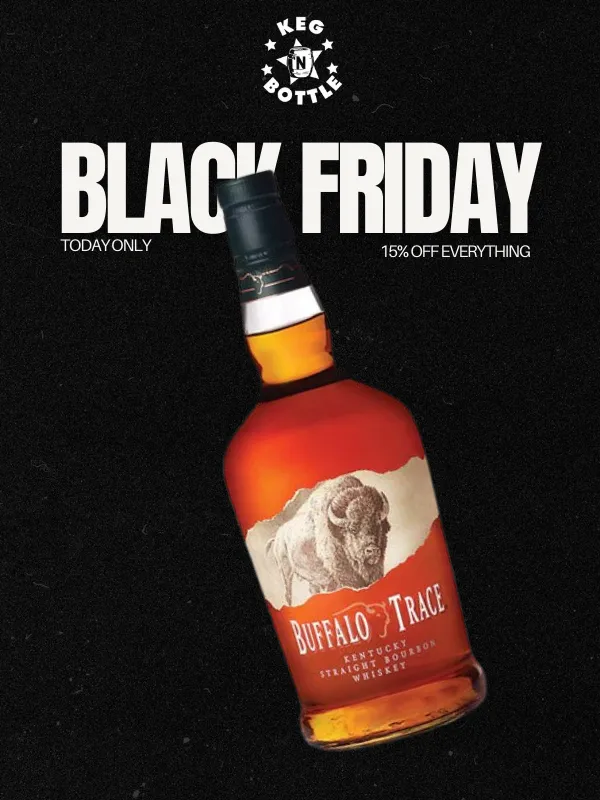
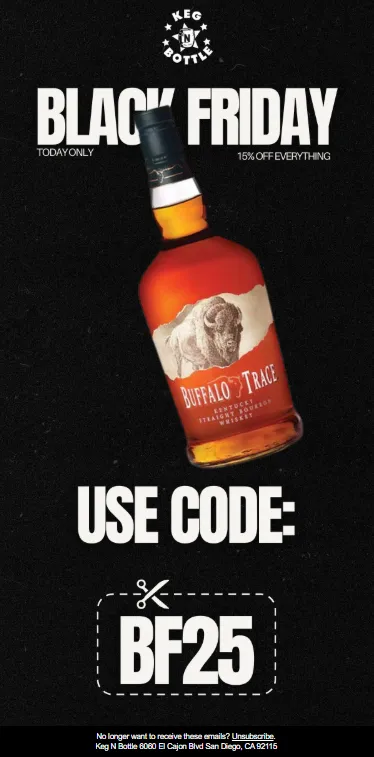
Meta ads for Black Friday and Cyber Monday, made in-house.
Email MarketingKlaviyo emails in the same look as the ads
ServicesEmail Marketing · Klaviyo · Email Design
In Klaviyo we cleaned up the client’s lists, built the templates and created the automated flows, such as the welcome series and abandoned checkout, and we advise the team along the way.
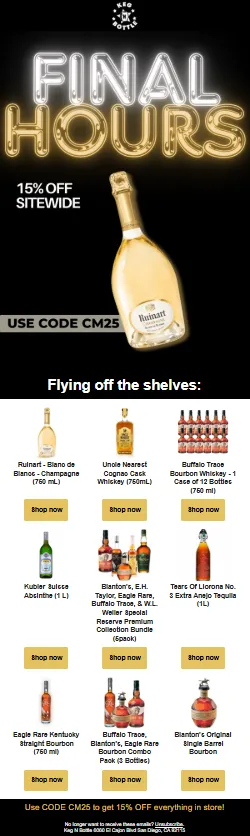
We design the campaign emails in Figma, alongside the Meta ads, so a shopper who sees the Black Friday ad finds the same bottle and the same code in the inbox. Below the offer, each email carries the bottles flying off the shelves, so the promotion leads straight to products.
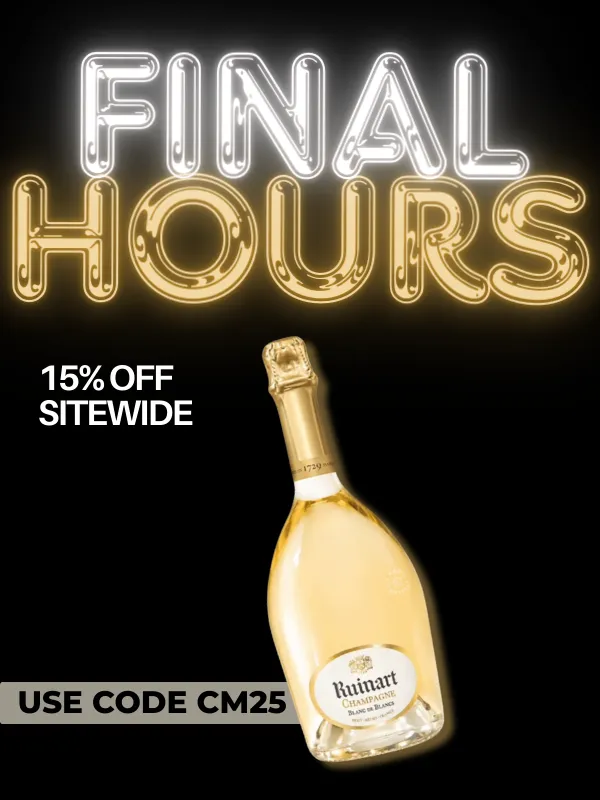
Klaviyo emails for Black Friday, Cyber Monday and the final hours of the sale.
SEOFrom 2 old posts to a blog that compounds
ServicesContent & Copywriting · On-Page Optimization
We started SEO in August 2024 on the category pages, the ones that sell. We rewrote meta titles and descriptions across the catalog, wrote intros for around 150 collections and built 12 brand pages from scratch. From January 2025 we added the blog, with pillar guides and clusters around whiskey, tequila and wine.
Reading the AI Overviews shift early
During 2025, Google’s AI Overviews started answering simple questions right on the results page, and click-through rates on informational content fell across the industry. We spotted it early in this blog’s data: the older articles kept climbing, from an average position of 18.1 to 5.8, while fewer people clicked through. So we moved the blog’s weight onto new articles, written for the way people search now.
In July 2025, 34% of Google clicks to the blog landed on articles we wrote. By July 2026 it was 82%.
Our articles took over
By January 2026 the articles we wrote were bringing in more clicks than all the older ones combined. By September the blog was back to its September 2024 traffic, built this time on content that brings visits all year instead of around one holiday.
Writing for the new results page
The data also told us what to write next. At the same top-3 position, specific searches earned a 10.5% click-through rate and broad “types of” questions 1.15%. So we moved the plan toward single brands, occasions, comparisons and buying decisions, where the AI answer does not take the click.
CROA store that helps shoppers choose
ServicesCRO · UX & Design · Web Development
When Keg N Bottle rebuilt its website, we worked alongside them on the design of the version that is live today, and kept improving the pages that sell after launch.
A brands page with its own search
Many shoppers arrive knowing the distillery or the label they want. We built a brands page with a search bar of its own, so they can find a brand in seconds instead of scrolling through the catalog.
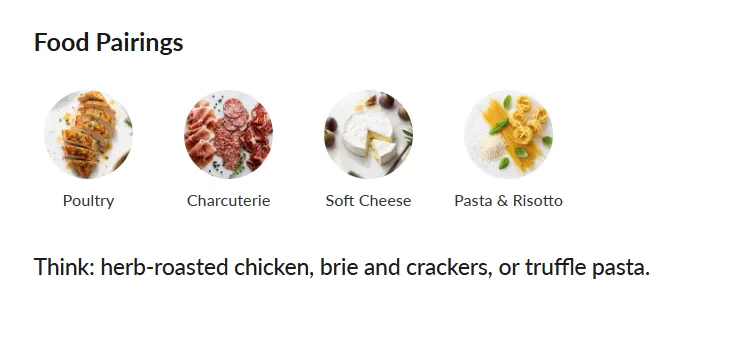
Wine pairings, built with Claude and Shopify
Keg N Bottle let us connect Shopify’s MCP server, which lets an AI assistant work directly with the store, and we use it for small changes to the site. On top of it we built a Claude skill that pairs wine with food, and ran it across the whole wine catalog.
- We chose a set of food categories
- The AI read each wine and picked the foods that suit it
- We built the display into Shopify, so the pairing shows on every wine’s product page
Reviews that fit the bottle
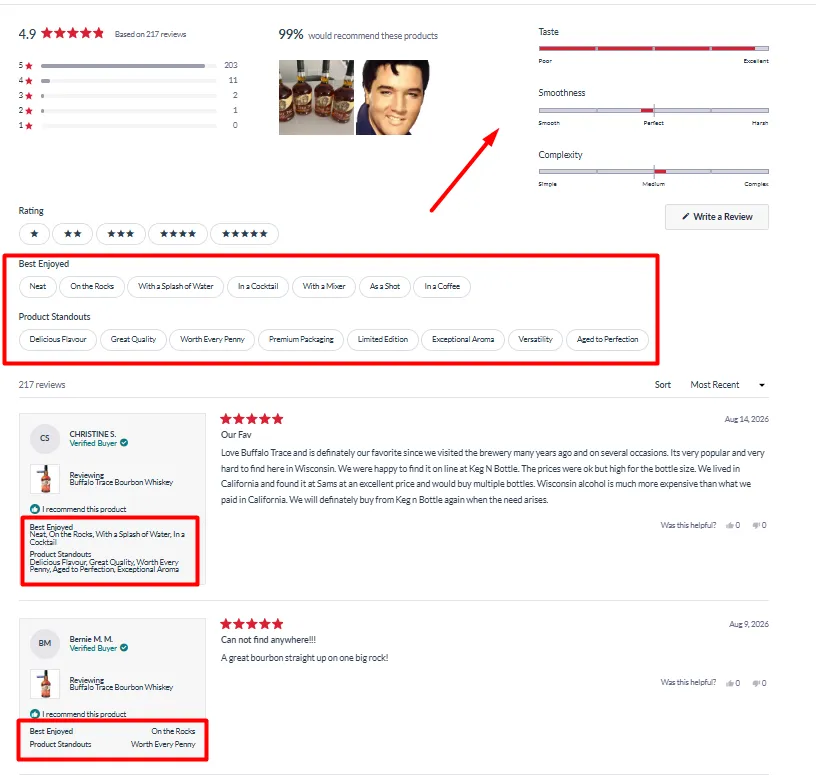
A whiskey review needs different questions from a wine review. We added custom review fields by product category: for whiskey, how it is best enjoyed, from neat to in a cocktail, what stands out about it, and where it sits on taste, smoothness and complexity. Every review now tells the next shopper how other people drink the bottle, not just how many stars it got.
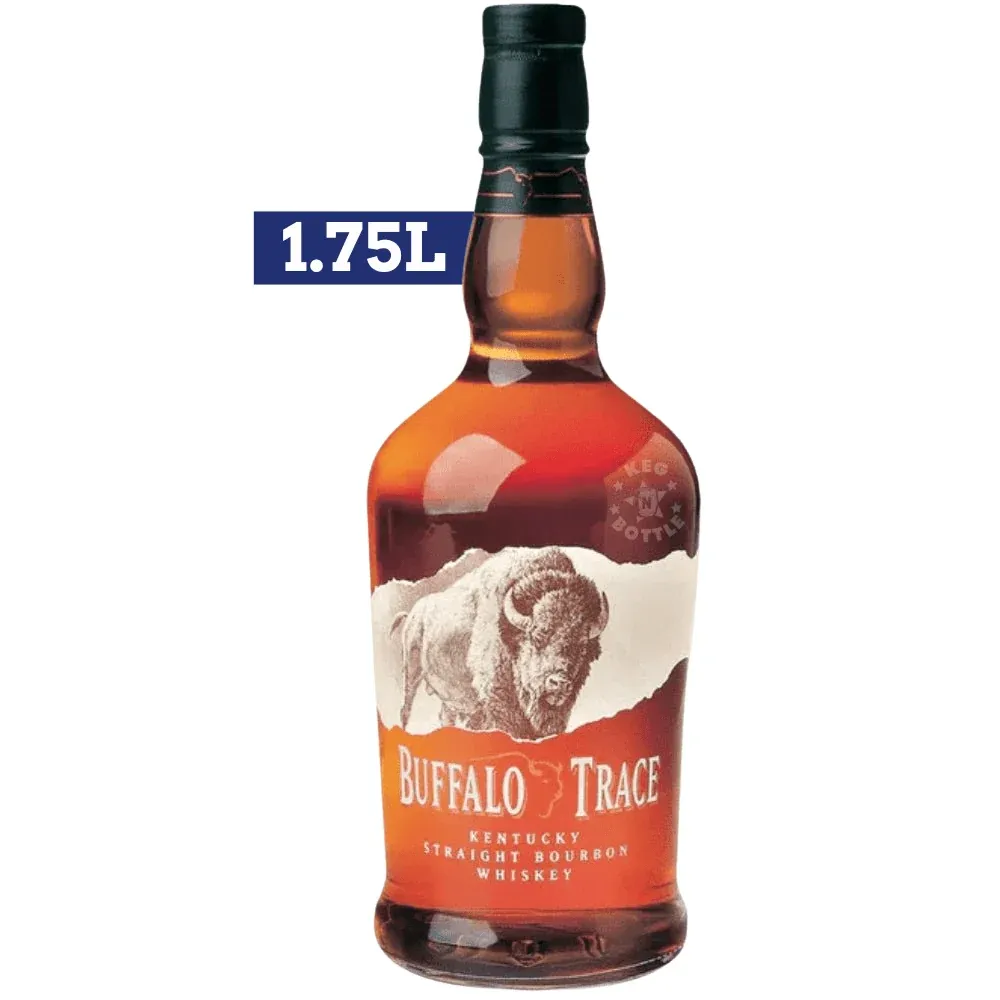
One page for every Buffalo Trace size
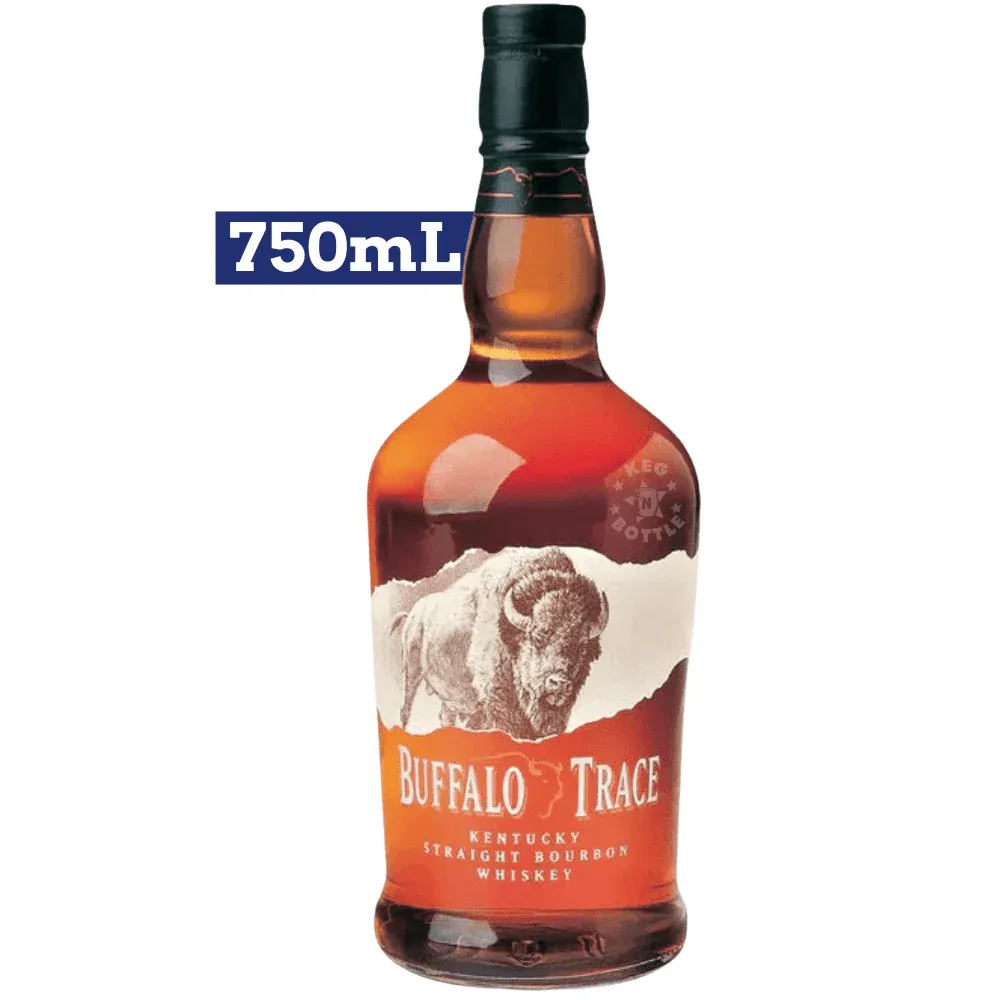
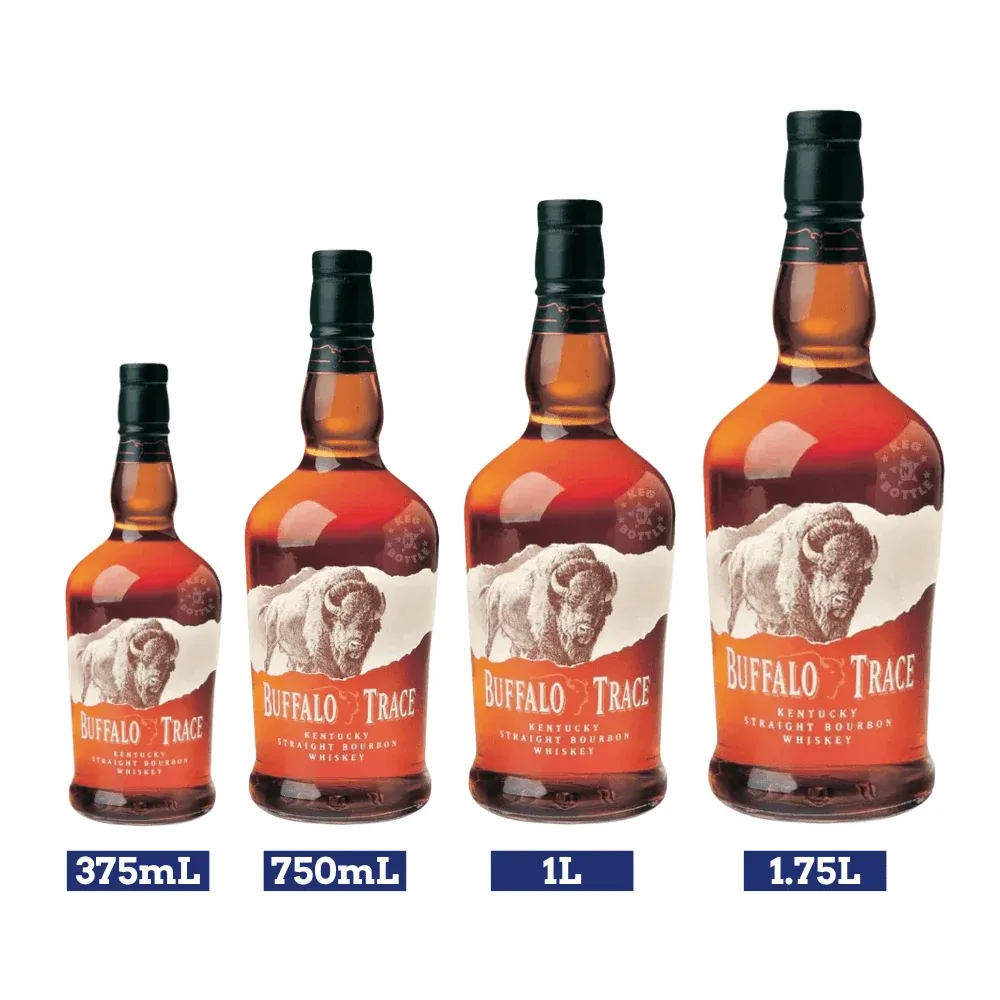
Each size of Buffalo Trace had its own product page, with photos that looked almost identical whatever the format. We merged them into one page with a size selector, scaled each photo to the bottle’s real size, added a label that shows the size at a glance, and created a photo of all the formats side by side, so the difference is clear before anyone picks one.
Product photos for the single Buffalo Trace page: each size scaled and labeled, and all the formats together.
The results
The feed work paid off fast. Within the first 3 months, the full catalog was reaching far more shoppers on Google, for less per click.
- Clicks up 539%
- Impressions up 437%
- Average cost per click down 25%
The second turn came from September 2024, when the new target, Microsoft Ads and a rebuilt Meta account all went live together. By October 2025, online revenue was up 50% year on year, with Google Ads as the main source.
On organic, the articles we wrote went from 34% to 82% of the clicks the blog gets from Google in a year, and category pages grew 12% year on year, all while AI Overviews were cutting click-through rates across the industry.
Regular calls with the client keep us close to the business, and what we learn there goes straight back into the campaigns.
+50%
Online revenue · October 2025 vs October 2024, Google Ads the main source
82%
Of blog clicks land on our articles · July 2026, up from 34% a year earlier
+539%
Google Ads clicks · first 3 months
-25%
Average cost per click · first 3 months